Hydraulic System Upgrade for a Steel Processing Facility
Case Study

Hydraulic System Upgrade for a Steel Processing Facility

Replacing an aging hydraulic power unit and distribution network to restore press force consistency and eliminate chronic fluid leaks at a heavy industrial plant.

Metal & Steel Processing Sharjah Industrial Area, UAE
60% Less Fluid Loss
45% Less Downtime
22% Faster Operations
8 Mo ROI Payback

Hydraulic Failures Disrupting Press Operations and Creating Safety Risks

The steel processing facility operated three hydraulic press brakes and a shearing line, all supplied by a centralized hydraulic power unit (HPU) installed eight years prior. The system was rated for 3,000 PSI operating pressure, but field measurements showed actual delivery pressure fluctuating between 2,200 and 2,800 PSI during peak demand cycles—insufficient for consistent bending of 12mm+ plate steel.

The root cause was multi-layered. The HPU's fixed-displacement pump was oversized for steady-state operation but undersized for simultaneous multi-press demand, creating pressure spikes followed by drops. Hydraulic hoses throughout the facility showed visible surface cracking and weeping at ferrule connections. The facility's maintenance records indicated that approximately 120 liters of hydraulic fluid were being added monthly to compensate for system losses—an unusually high consumption rate that pointed to multiple internal and external leak paths.

Two operators had filed incident reports related to oil-slicked floors near the press area, and the facility was at risk of failing its next HSE audit. The client required a solution that addressed both the performance and safety issues within a limited shutdown window.
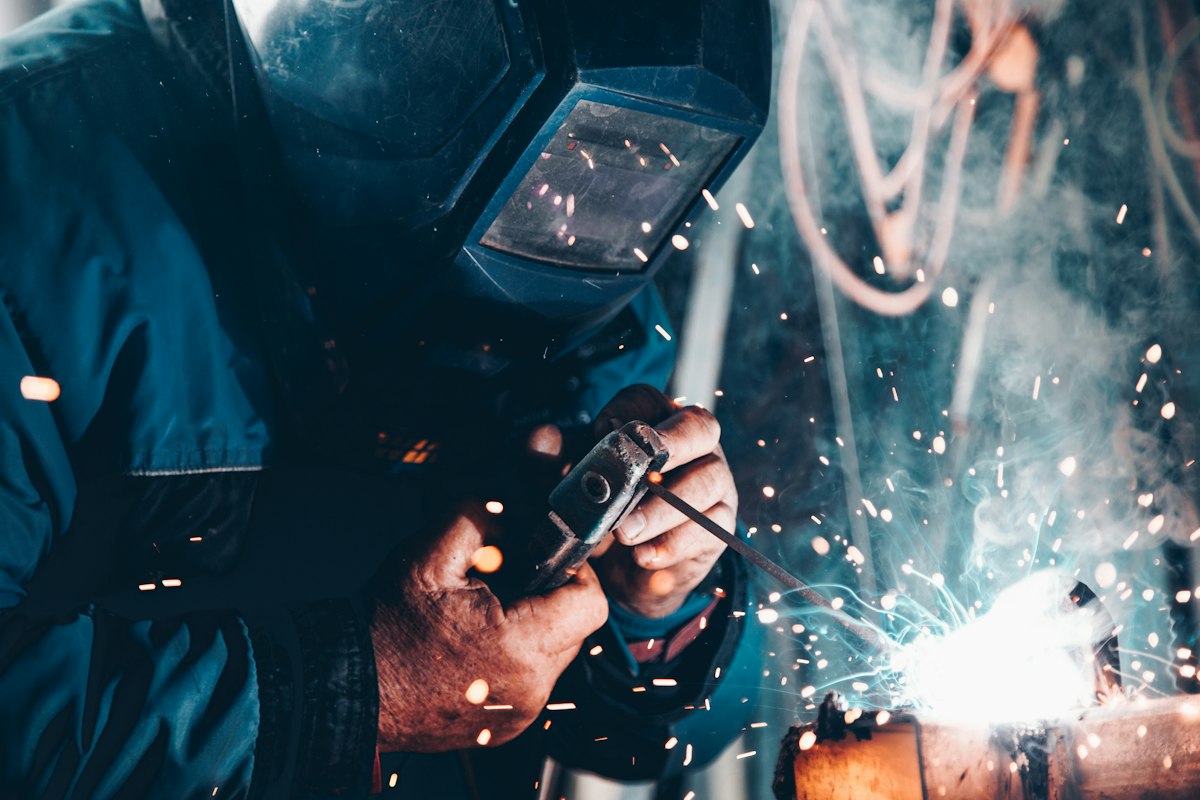
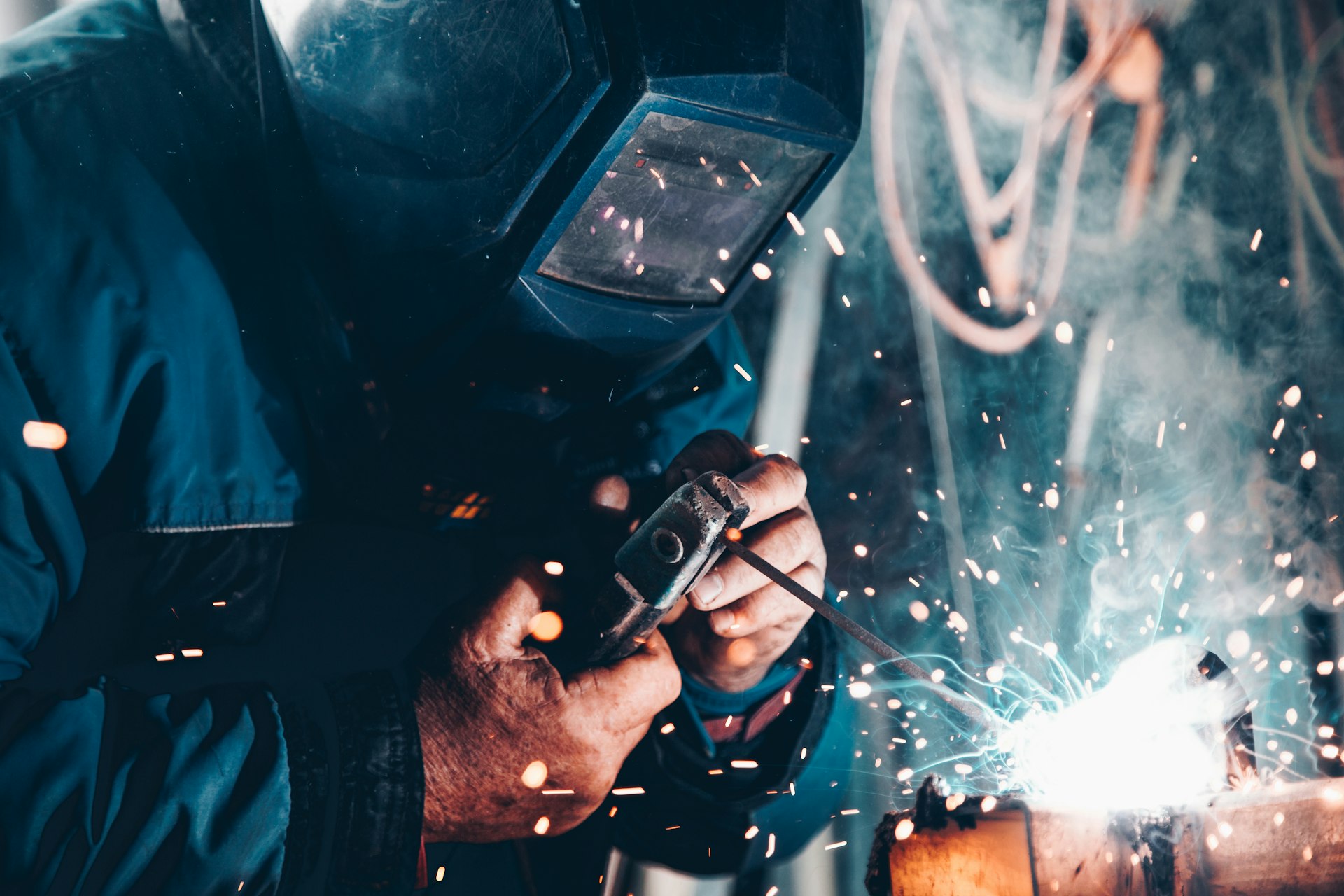
Heavy industrial hydraulic press machinery

Hydraulic press brake operating at consistent 3,000 PSI following power unit upgrade

Phased Hydraulic Overhaul from Power Unit to Point of Use

The project was structured in three phases to minimize total downtime. Phase one focused on the hydraulic power unit itself. The existing fixed-displacement pump was replaced with a Bosch Rexroth variable-displacement axial piston pump, which automatically adjusts output flow based on system demand. This eliminated the pressure spikes during low-demand periods and ensured consistent delivery during simultaneous press operation. The reservoir was drained, cleaned, and fitted with new return-line and suction filters rated at 10 microns to protect the new pump.

Phase two addressed the distribution network. Every hydraulic hose in the system was replaced with SAE 100R2AT-rated hoses, crimped on-site using hydraulic hose crimping equipment to ensure correct ferrule compression. Quick-disconnect couplings were installed at each press connection point to allow hose removal without draining the entire system. Directional control valves at each press were inspected—two were replaced due to internal spool wear—and pressure relief valves were recalibrated to the correct 3,000 PSI setpoint.

Phase three installed monitoring infrastructure. Analog pressure gauges were mounted at the HPU outlet, at each press inlet, and at the return manifold. A differential pressure gauge was placed across the return filter housing to indicate filter saturation. All gauge connection points used glycerin-filled gauges rated for industrial vibration environments.

Industrial hydraulic hoses and fittings

New SAE-rated hydraulic hoses with quick-disconnect couplings at press connection points

Restored Press Performance and Eliminated Fluid Loss

The system was recommissioned and tested under full production load across all three presses operating simultaneously. Operating pressure stabilized at 2,950–3,000 PSI with no measurable drop during concurrent press strokes—a direct result of the variable-displacement pump matching flow to actual demand.

Hydraulic fluid consumption dropped from 120 liters per month to under 8 liters per month, representing a fluid loss reduction of approximately 93%. The combination of new hoses, properly crimped fittings, and replacement of worn directional valves effectively sealed the system. The maintenance team reported zero oil-related floor incidents in the 90 days following completion.

Press cycle time improved by approximately 22% on bending operations above 10mm thickness, where the previous pressure inconsistency had been most impactful. Operators noted that bend angle repeatability improved significantly, reducing rework and scrap rates on precision jobs.

The facility passed its subsequent HSE audit with no hydraulic-related findings. Total project cost was recovered within eight months through reduced fluid purchase costs, lower scrap rates, and avoided downtime.

Industrial pressure gauges and monitoring equipment

Glycerin-filled pressure gauges installed at HPU outlet for real-time system monitoring

Hydraulic System Integrity as a Foundation for Heavy Industry

Hydraulic systems in heavy industrial environments operate under conditions—high pressure, vibration, thermal cycling, and particulate contamination—that accelerate wear on every component simultaneously. This makes gradual degradation particularly insidious, because no single failure is dramatic enough to trigger a system-wide review until cumulative losses become severe.

The structured approach used here—replacing the pump technology to match actual demand profiles, renewing all flexible connections to current pressure ratings, and installing monitoring instrumentation at critical points—addresses the three most common failure modes in industrial hydraulics: undersized or oversized pumps, degraded hose assemblies, and unmonitored pressure drift.

For facilities that depend on hydraulic systems for primary production operations, this case study demonstrates that a proactive overhaul delivers measurable returns and materially reduces operational and safety risk. The client has contracted Creative Automation for a similar assessment of their secondary facility's hydraulic infrastructure.

Need a Similar Solution?

Our engineering team can design and implement custom industrial automation solutions tailored to your requirements.